 Women Make Change
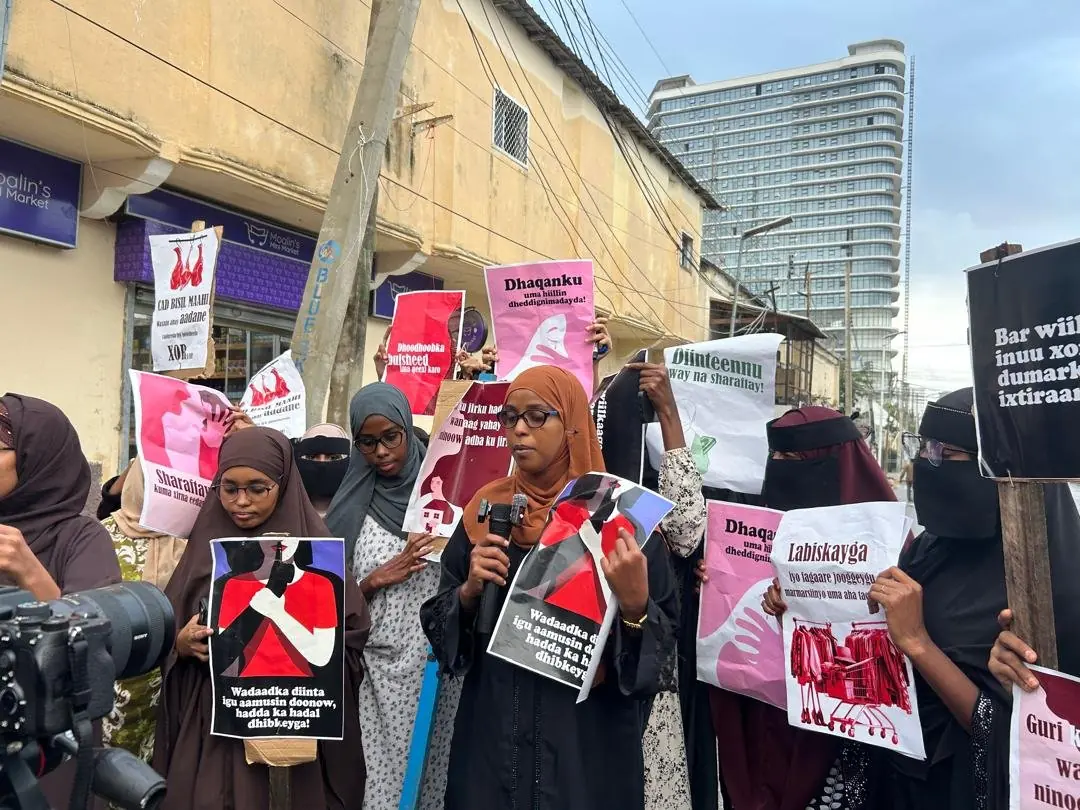
Harassment captured on camera sparks outrage in Mogadishu
A video shared online triggered protests across the capital — and forced a public conversation Somalia has avoided for years.

The rubric
Across Somalia — from Mogadishu's harbour to the dust paths of Garowe and the dunes of Dhinowdo — women are taking on roles their mothers never imagined. We follow them.
Women Make Change is the rubric where Bilan reporters chronicle Somalia's everyday revolution — the one that does not happen in parliament, but in markets, courtrooms, classrooms, hospitals, dunes and dying rivers. Each portrait, each field report, follows one woman or one group of women who refuses to accept that things must stay the way they are.
Some of them carry water for hours under a scorching sun so that their children can drink. Some clean Mogadishu's streets at dawn before the traffic starts. Some defend other women in court for free. Some plant a tree on a dying coast and refuse to let the sand win. None of them call themselves activists. All of them are changing the country.
Our reporting in this rubric is patient and personal: we sit with our sources, walk with them, return to them months later. We name them, we quote them in full, and we let the rhythms of their daily lives carry the story. Because in Somalia, change rarely arrives with a slogan. It arrives with a bucket, a pen, a microphone — and a woman who has decided to act.
Our editorial promise
No saviour narratives. No fixers. No fly-in reporting. Here is how we work — and why it matters.
No anonymous "Somali woman" archetype. Every protagonist of this rubric is named, photographed when she chooses to be, and quoted in her own words — in Somali first, then translated.
A portrait is never one visit. Our reporters return weeks or months later to see what has changed, what hasn't, and whether our reporting itself made anyone's life harder. If it did, we say so.
Every story in this rubric is reported, edited and signed off by women. The camera, the pen, the final cut — all in the hands of Somali journalists who have lived what they describe.
The rubric in numbers
From the field
Each card opens a story. Each story names a woman. Each woman has chosen to be heard.
Women Make Change
A video shared online triggered protests across the capital — and forced a public conversation Somalia has avoided for years.
 Women Make Change
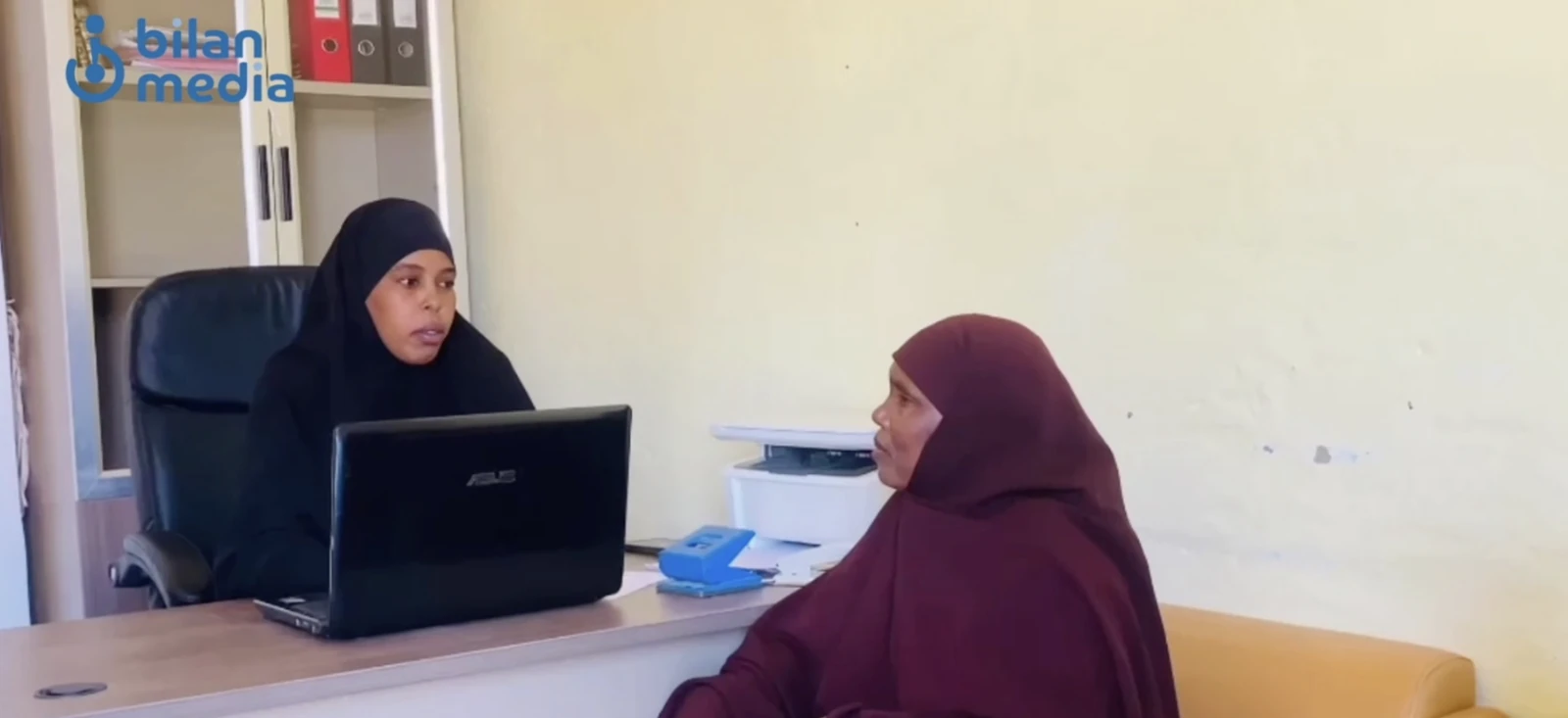
They work without pay, often at risk to themselves, defending women no one else will represent. We spent a week with them.
 Women Make Change
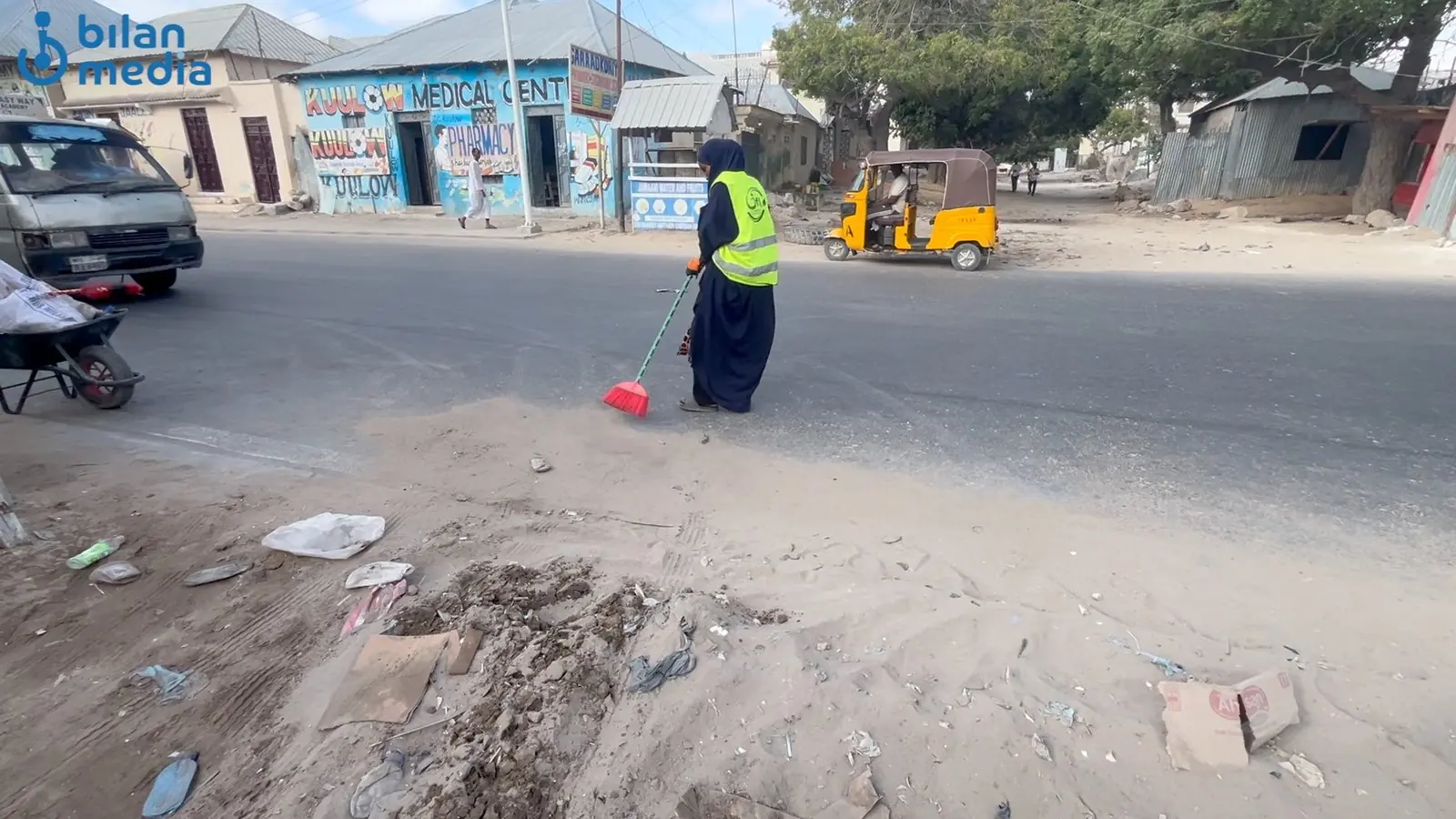
Before dawn, in a city still rebuilding from war, they sweep the avenues no one else will touch. Their wages barely cover bread.
 Women Make Change
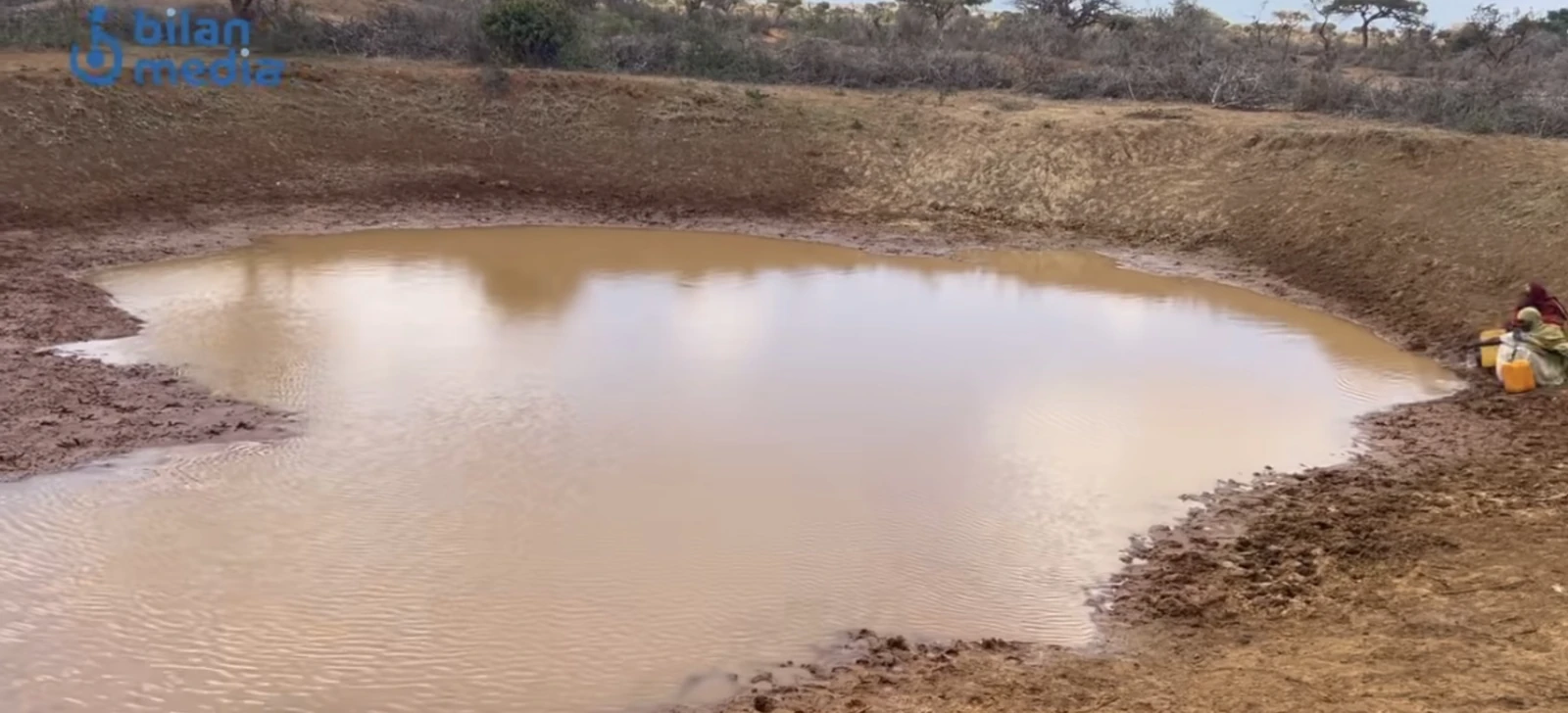
Without a well, the women of Bahnano walk for hours to share a shrinking river with livestock — and still dream of clean water.
 Women Make Change
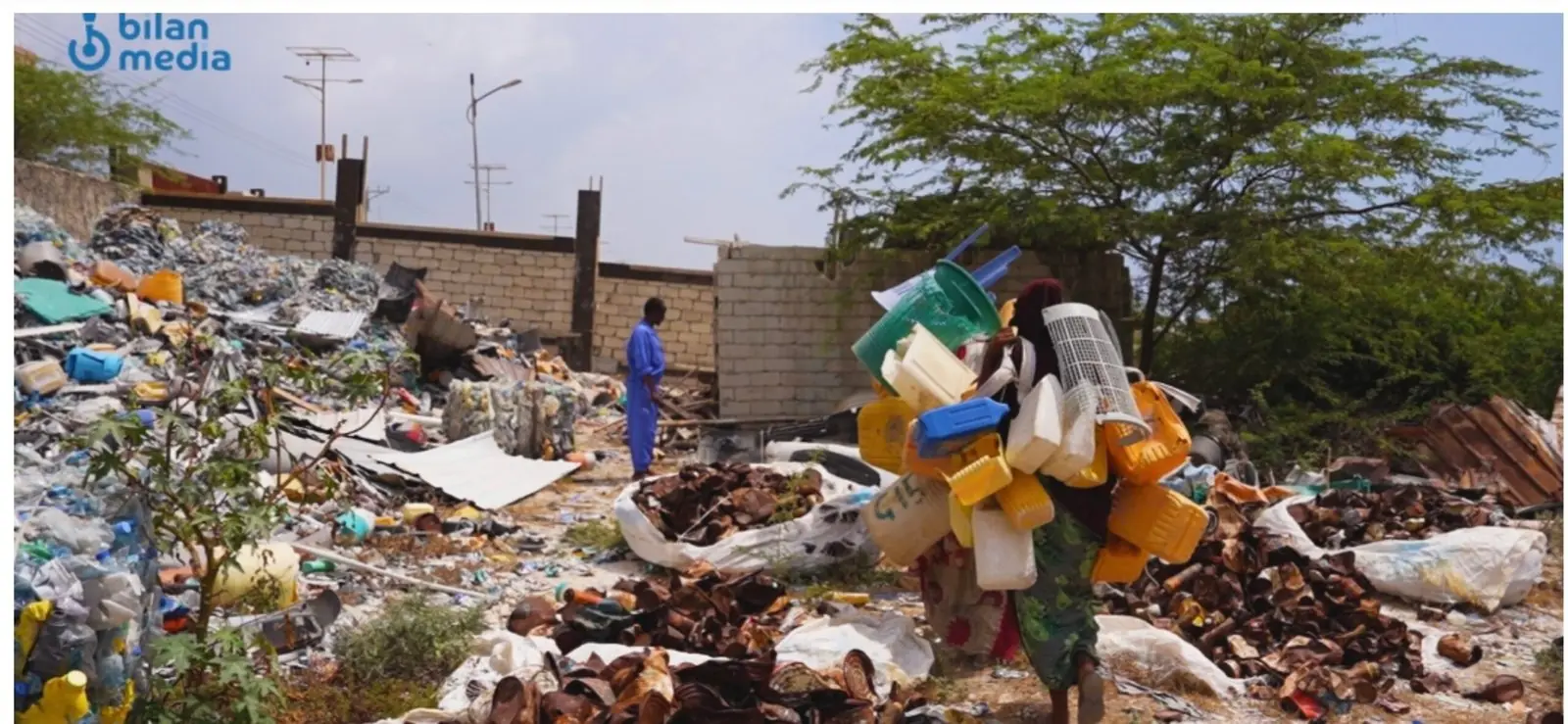
In a yard at the edge of Mogadishu, displaced women sort, shred and rebuild — turning the city's waste into a paycheque.
 Women Make Change
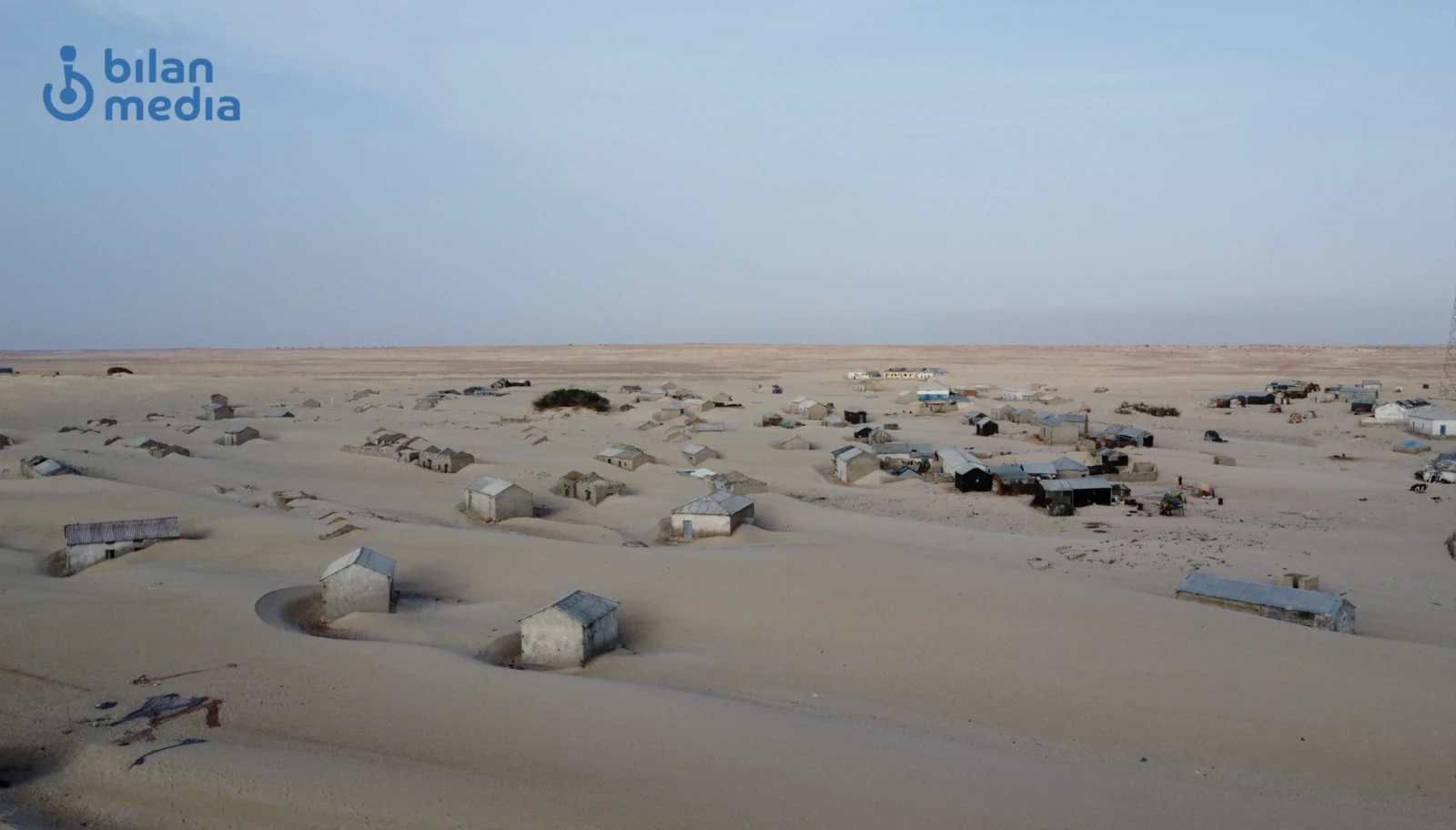
Wells buried, school silenced, health centre gone — and one elderly woman who still waters the last tree standing.
In their own words
Cadeey Cali35, pregnant · Bahnano, Kismayo"I carry the water myself; no one else can do it for me. The ten litres I manage to carry barely make a difference — I often spill some along the way."
Hawa MohamedStreet cleaner · Mogadishu"We start at four in the morning. The city does not know we exist — but if we stopped tomorrow, Mogadishu would notice within a day."
Sahra AbdiVolunteer lawyer · Garowe"Most of my clients have no money. They have a story, and they have the right to be heard. That is enough for me to take the case."
Xaawo SheekhVolunteer · Dhinowdo"People ask me, why do you bother with this tree? I am old, I cannot plant more — but this one, I can save. So I water it."
Faadumo YusufPlant worker · Mogadishu outskirts"Before this job I had nothing. Now I sort plastic all day, and at the end of the week my children eat. That is a kind of dignity."
Every portrait in this rubric started with a tip — a neighbour, a relative, a colleague who said: "you should talk to her." Our newsroom is in Mogadishu, but our reporting reaches all of Somalia. If you know a story we should tell, write to us. We read every message.
Pitch a story