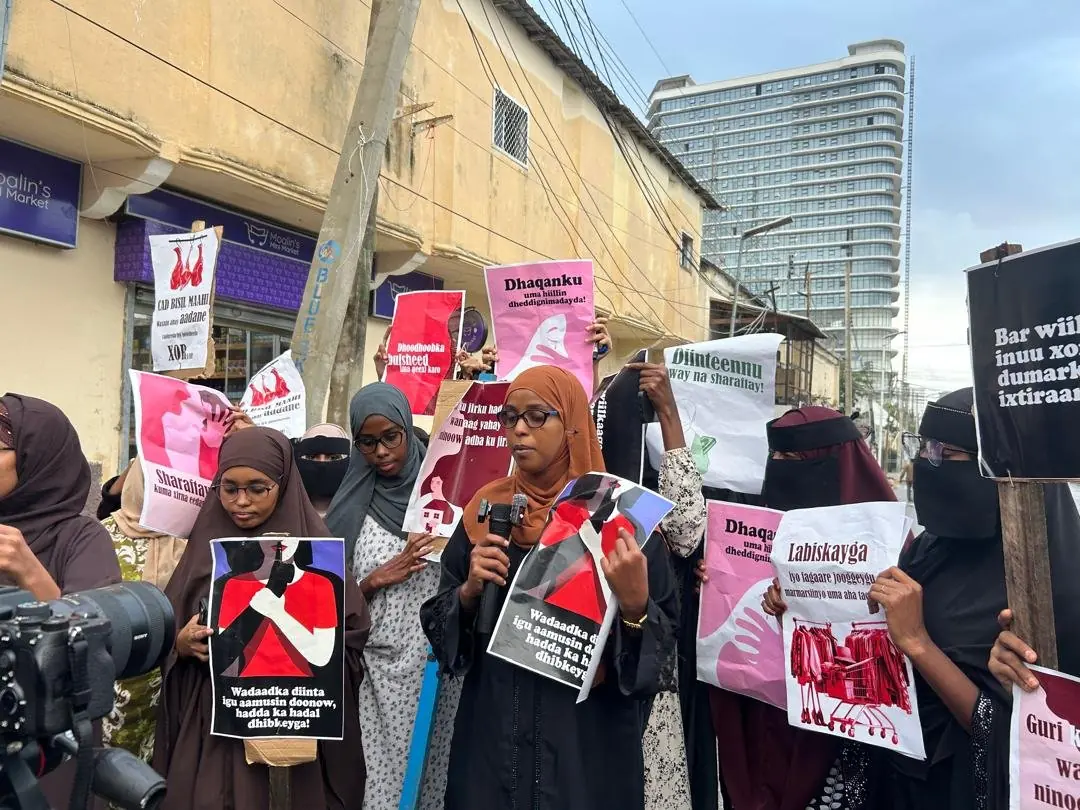
 Harassment
Harassment captured on camera sparks outrage in Mogadishu
A single video unlocked a public conversation Somalia had refused to have for a generation. We document the moment and what came next.

The rubric
For decades, certain words were not allowed in Somali newsrooms. We say them now — in print, on air, on the record.
Breaking Taboos is the investigative rubric of Bilan Media. It is where we report on what Somalia has long refused to discuss publicly — female genital mutilation, sexual violence, drug addiction among young women, HIV, mental illness, albinism, the harassment of women in public space, the children born of rape, the menstrual taboos that keep girls out of school.
These are not "sensitive subjects" we tiptoe around. They are structural injustices hidden behind decades of silence — and silence has always had a cost, paid almost entirely by women, by children, by the marginalised. Our job is not to be polite about them. Our job is to document them, with names, dates, voices, and evidence.
We work slowly. We protect our sources. We do not publish photographs without consent. We pay travel expenses for women who come to speak to us, and we never pay for testimony itself. We return, weeks later, to check that no one has been harmed by what we published — and when someone has been, we say so, in writing, in the next story.
Some of the reports gathered here have been picked up by the BBC, the Guardian, El País, the Toronto Star and The New Humanitarian. But the readers we care about most are the ones in Mogadishu, in Garowe, in Baidoa — the women who, after reading our work, write to us to say: "I thought I was the only one."
Files we have opened
The subjects Somalia has long refused to discuss publicly — each one under our reporting. The dossier is never closed.
Our investigative method
Investigation, when it touches the most vulnerable, must be ruled by something stronger than ambition. Here are the three rules.
We publish the story. We never publish a detail that could identify a woman who has not chosen to be identified. Pseudonyms, blurred faces, withheld locations — all decided with her, not for her.
Every interview begins with a long conversation about what she wants the world to see. We sign a clear consent form, in Somali. She can withdraw at any moment — even after publication.
Our job is to make her heard — not to judge her, not to be her lawyer, not to write the editorial she didn't ask for. We quote, we contextualise, and we let the reader draw conclusions.
The rubric, by the numbers
On the record
Each card opens a subject Somalia has avoided for too long. Click and read — slowly.
Harassment
A single video unlocked a public conversation Somalia had refused to have for a generation. We document the moment and what came next.
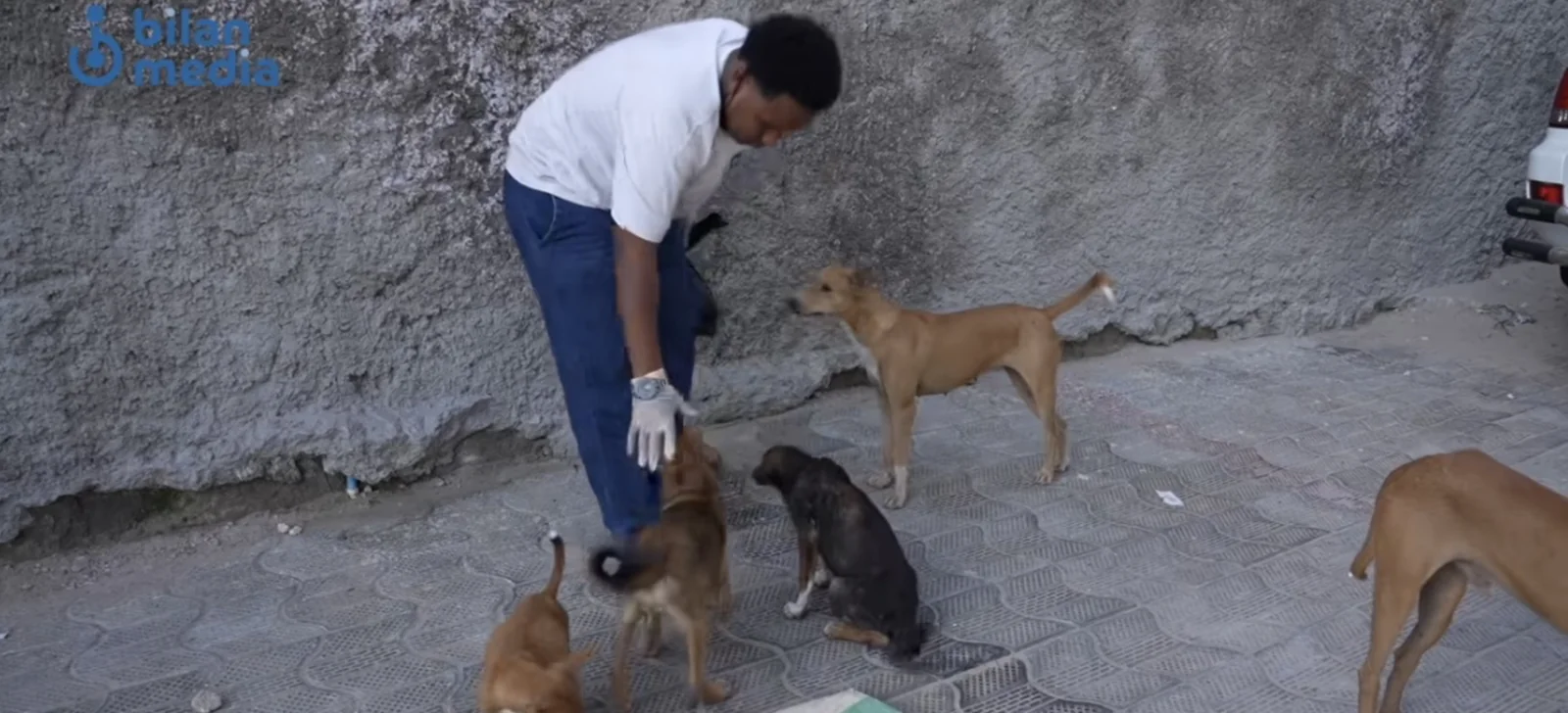 Religious taboo
Caring for dogs is, in Somalia, an act of defiance. A portrait of compassion at the edge of a religious and cultural fault line.
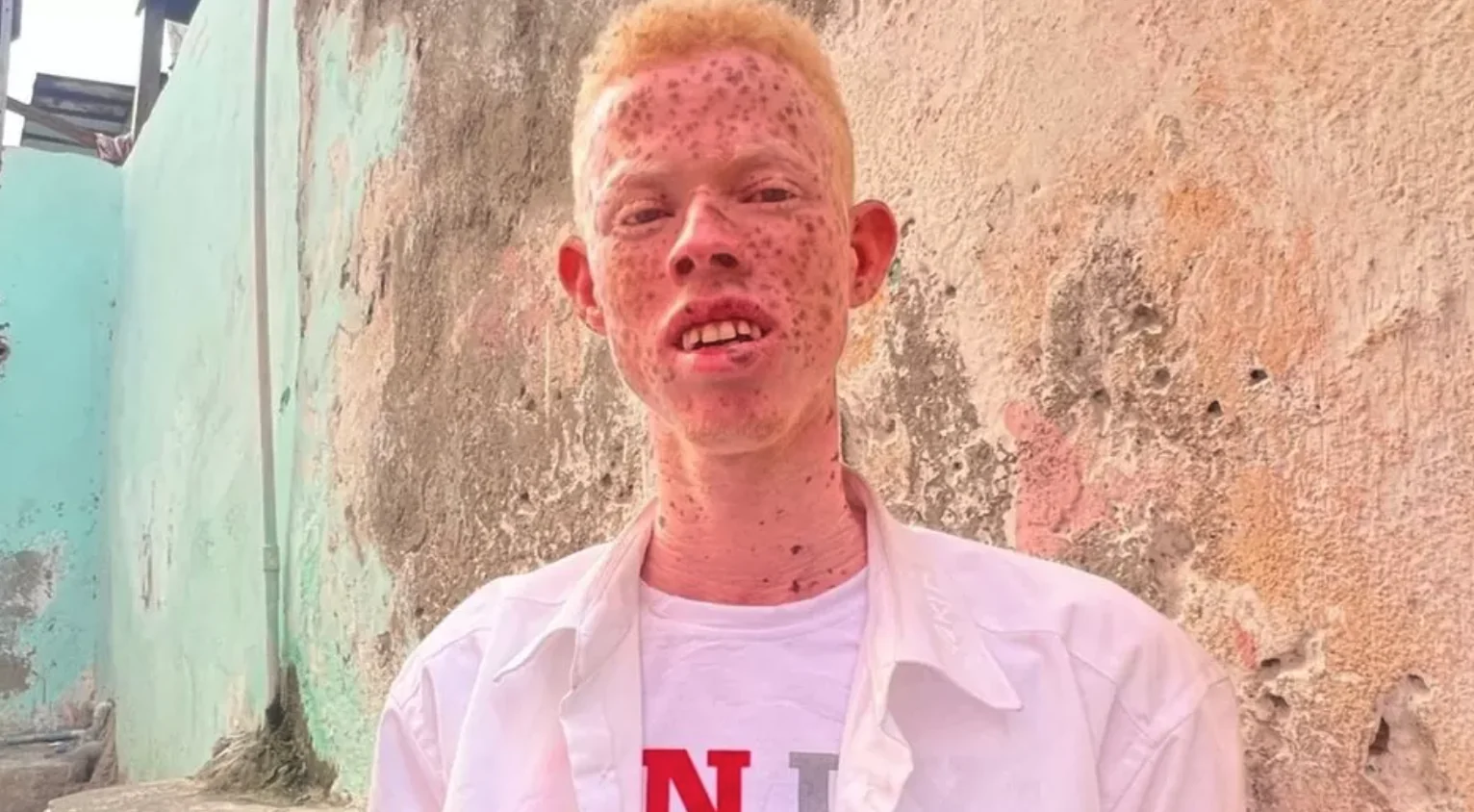 Albinism
Co-reported with the BBC. The everyday violence faced by Somalis born with albinism — and what the country refuses to call it.
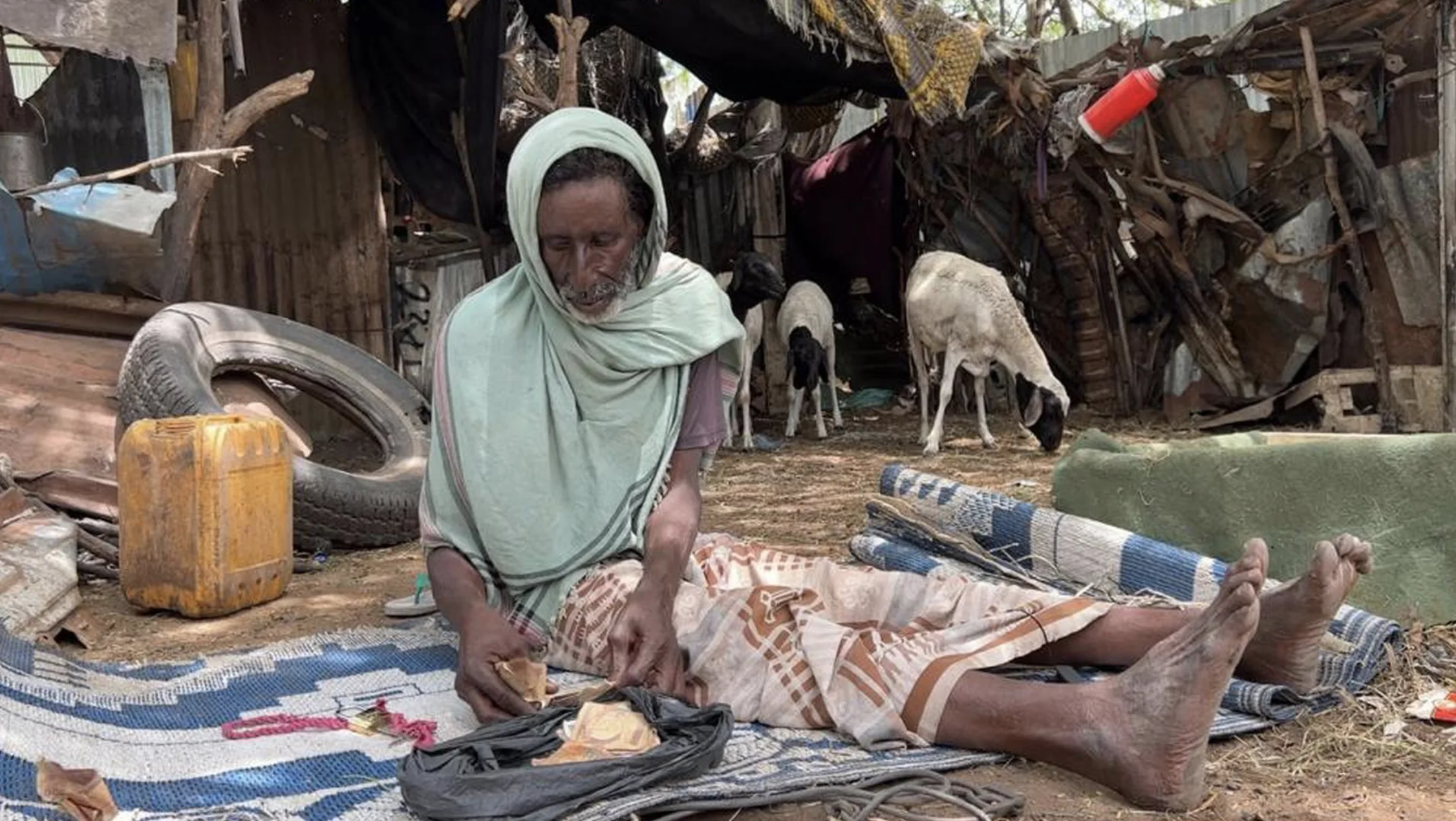 HIV
HIV
Published in El País. Inside the lives of women who carry a diagnosis that, in Mogadishu, still costs them their family.
 Addiction
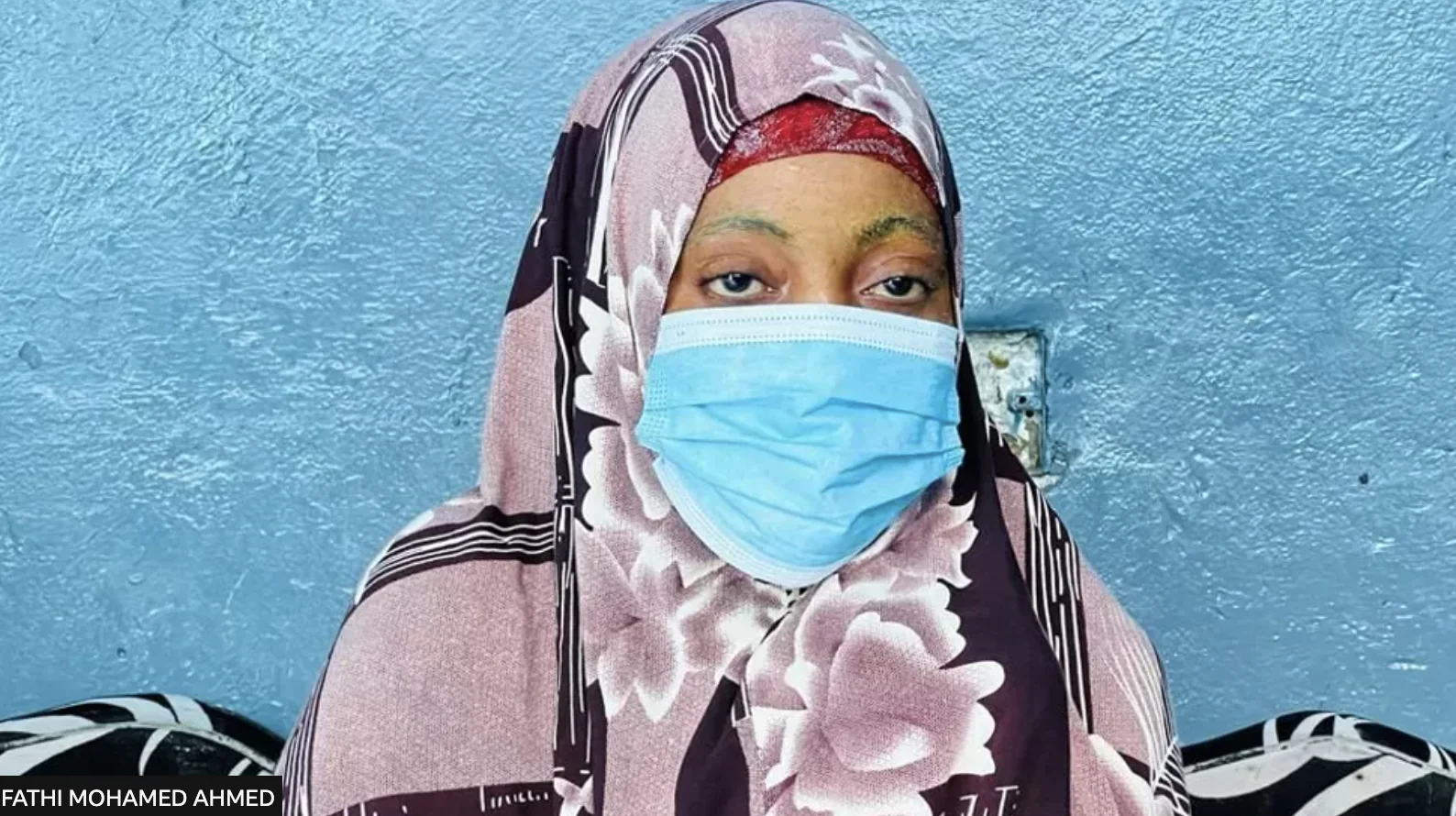
A subject no Somali outlet had ever named in public: prescription-drug addiction among young Mogadishu women.
 Drought · Survival
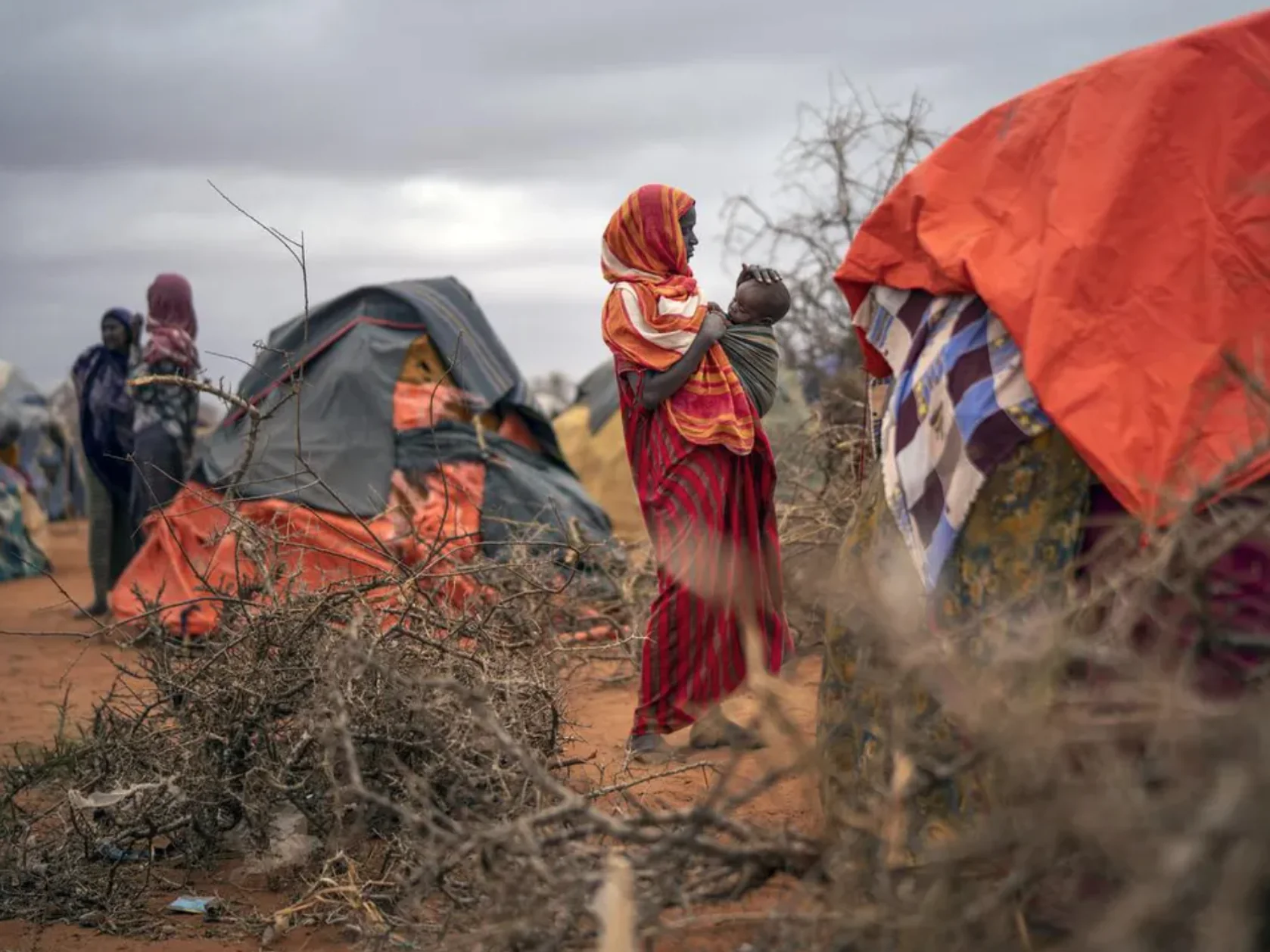
The story no one wanted to print: mothers who, under famine, make the unspeakable choice. Co-published with the Toronto Star.
From the recordings
Elmi Bile Mohamed, 25Living with albinism · Mogadishu (BBC × Bilan)"People tell me I am a cannibal and that I will eat their children. They are terrified of me. They often throw a mixture of salt water and raw eggs onto my doorstep because they believe this will protect them from me."
Gacalo Mahmoud YusufProtester · Mogadishu"We are here to be the voice of every girl who has been silenced."
Amino AbdiOpioid dependence · Mogadishu (BBC × Bilan)"My ex is the reason I became addicted to hard drugs. My addiction got so bad that I lost my mind. I started sleeping in cars and on the streets."
Khalif Farah Shuriye, 75Living with HIV · Mogadishu (El País × Bilan)"When I ask people for help, they run away from me because they think they will catch the disease just by being near me. Some nights I go to sleep without having had any water the whole day, because I simply don't have any money."
Aadan Abdullahi AliAnimal caregiver · Mogadishu"Some people not only refuse to help — they don't even want the dogs to be fed near them."
Secure tip line
If you have something to share — a testimony, a document, a name no one dares to say — write to us. Three channels, each as private as we can make them. We will never reveal a source's identity without their explicit, written consent.
