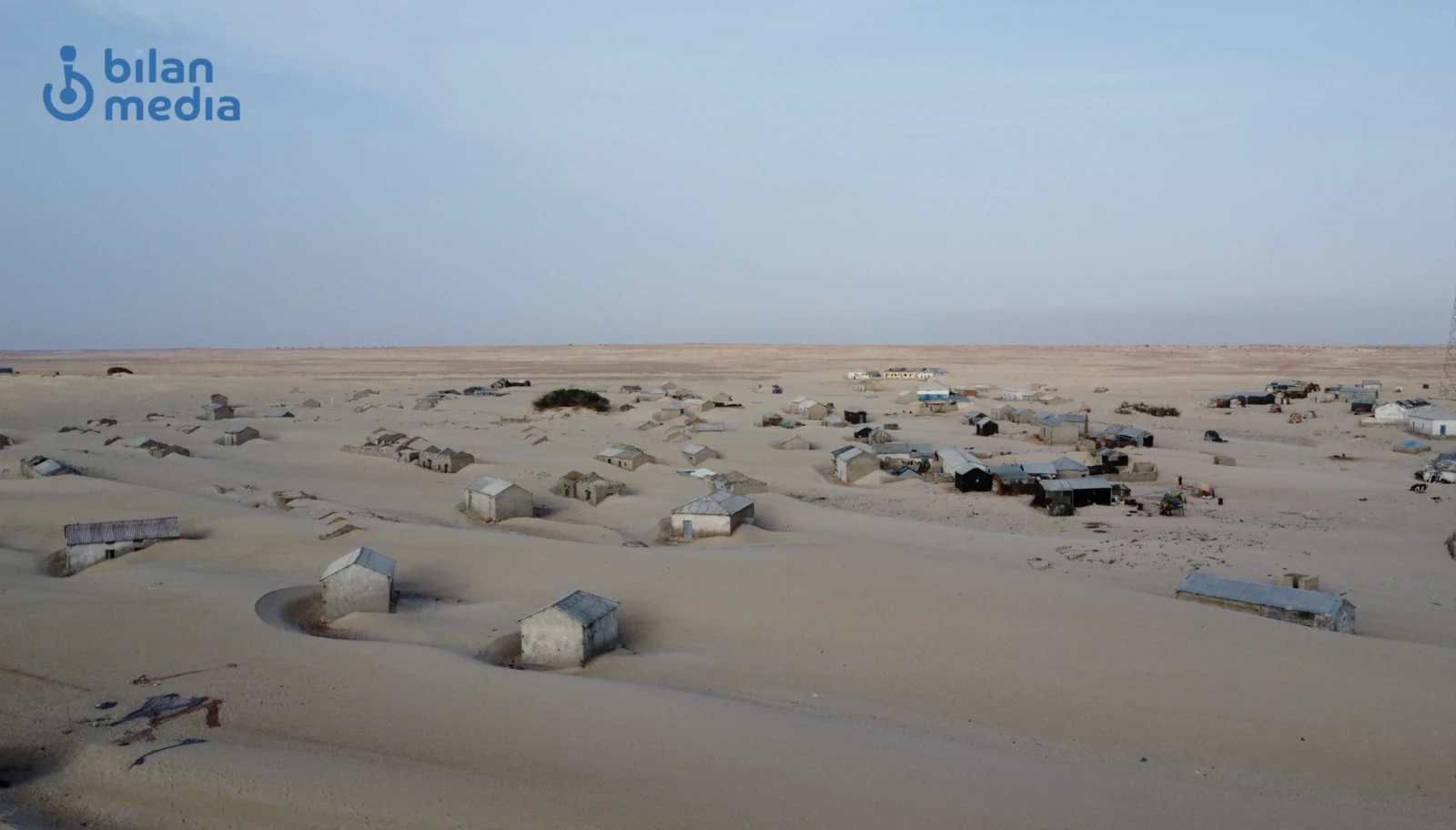

Dhinowdo, once a bustling coastal town home to over 3,000 families, is now facing a slow-moving natural disaster that is swallowing the community and its environment. Shifting sand, carried by harsh winds, has overtaken homes, wells, schools, and even the town's health centre.
The old stone houses have been buried, their rooftops barely visible above the dunes. Abdirahim Sheikh, a resident, described the scene with deep emotion as he stood on what used to be the heart of the town.
Where I'm standing used to be the centre of the town. I'm on top of the old houses, now all covered in sand. We used to have sturdy buildings, but now we live in simple shelters made of tarpaulin and metal sheets, so we can escape when the sand comes.
A town without water
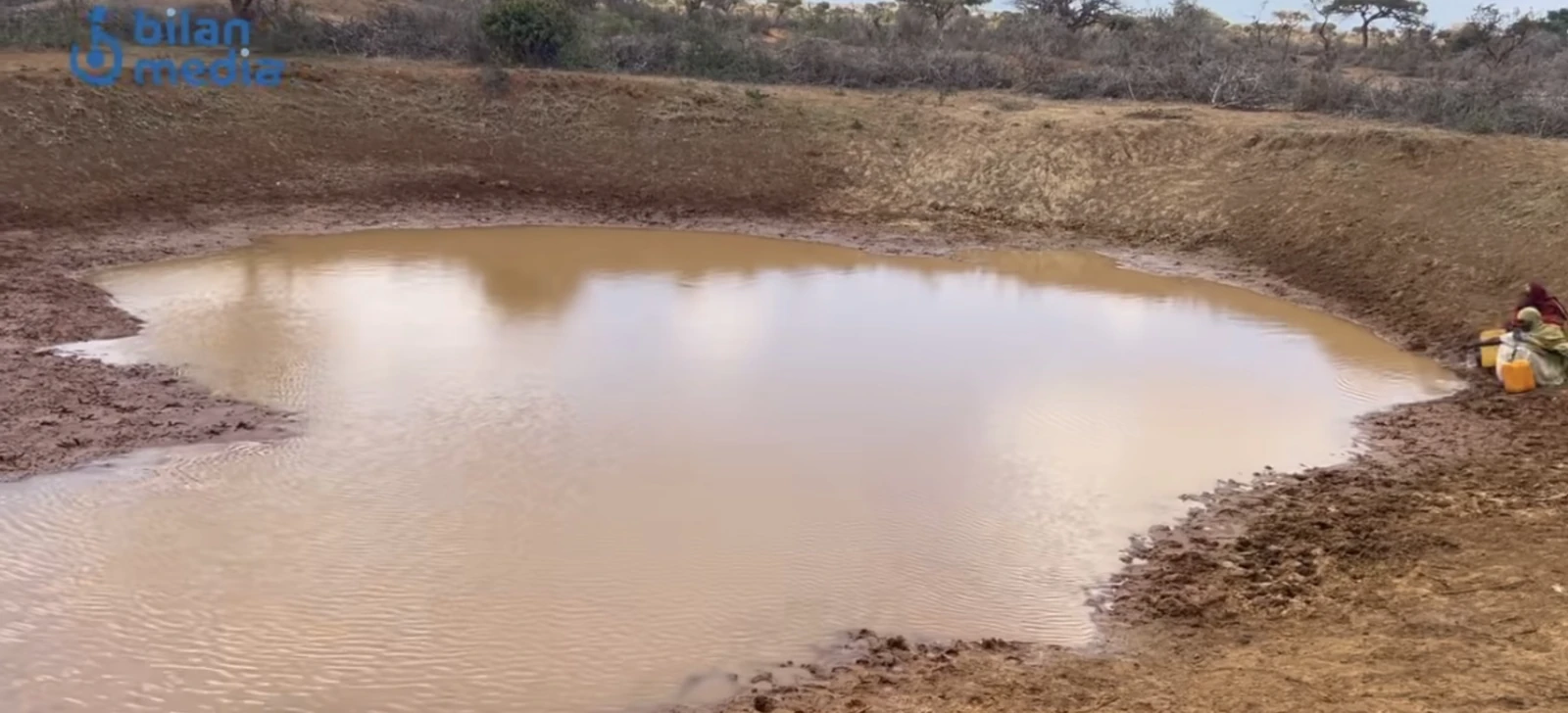
Clean water is becoming increasingly scarce. Around 90% of Dhinowdo's wells are buried under sand. The remaining residents are fighting not just for daily survival, but for the very future of their community. Hinda Rooraaye, another local, explained the daily struggle.
Every week, we dig wells because the sand buries them. We dig inside and around the wells to find water. People suffer from carrying water through the sand — we've had back pain and kidney problems because of it.
Today, only two wells are still functioning. Each morning, residents return saying the same words: the well was buried again last night. And then the cycle begins anew, under a relentless sun.
A school silenced, a future on hold
The town's school, which once offered hope to dozens of children, has also been swallowed. Classrooms are filled with sand, making learning impossible. Xaashi Cabdi, the headmaster, watches helplessly as a generation grows up without an education.
The school closed because of the sand. Neighbouring towns have machines to clear it, but we don't. That's why the school can't operate, and the children stay at home without education.
Births in the sand
The town's health centre has also disappeared beneath the dunes, leaving pregnant women and mothers with almost no access to care. Traditional midwife Xaawa Maxamuud Sahal speaks with quiet alarm about what she has witnessed.
Sometimes women give birth with heavy bleeding because of poor conditions. We try to help, but when complications arise, we have to send them to Gaalkacyo. Recently a baby was born and the mother started bleeding badly. All we could do was read the Qur'an. There was nothing else we could do.
The sea is changing too
The sand has reached up to five miles offshore, smothering the seabed and pushing fish away from the coast. The once-abundant fisheries that sustained generations of families are collapsing. Fisherman Maxamed Macalin spoke about the loss.
We used to find plenty of seafood near the shore, but the sand has covered the area. The resources have diminished, and foreign fishermen are increasing, so we can't even go five miles out to fish.
Two trees, and an old woman
Today, only two trees remain standing in Dhinowdo. One of them is cared for by Xaawo Sheekh, an elderly volunteer who refuses to give up on the soil under her feet.
People ask me, why do you bother with this tree? I tell them, if the area under it is maintained, it can survive. I am old, and I don't think I can plant more trees now — but this one, I can save.
A climate disaster, in slow motion
The changing climate — less rainfall, stronger winds, rising temperatures — is at the root of Dhinowdo's tragedy. What was once a thriving coastal town now faces the very real risk that those still remaining may have to abandon it entirely if no action is taken.
Nearly 2,000 families have already left. Those who stayed live in constant fear, trying to outlast the encroaching sand. Their resilience, however, is not infinite. Saving Dhinowdo will require concrete action on several fronts: tools and equipment to control the spreading sand, the planting of protective trees, sustainable wells designed to resist burial, a long-term environmental plan, and immediate humanitarian aid for the families still on site.
If these actions are taken, Dhinowdo can still be saved. Without intervention, the disaster may become irreversible — and a town that once breathed with the sea will vanish completely beneath the dunes.