
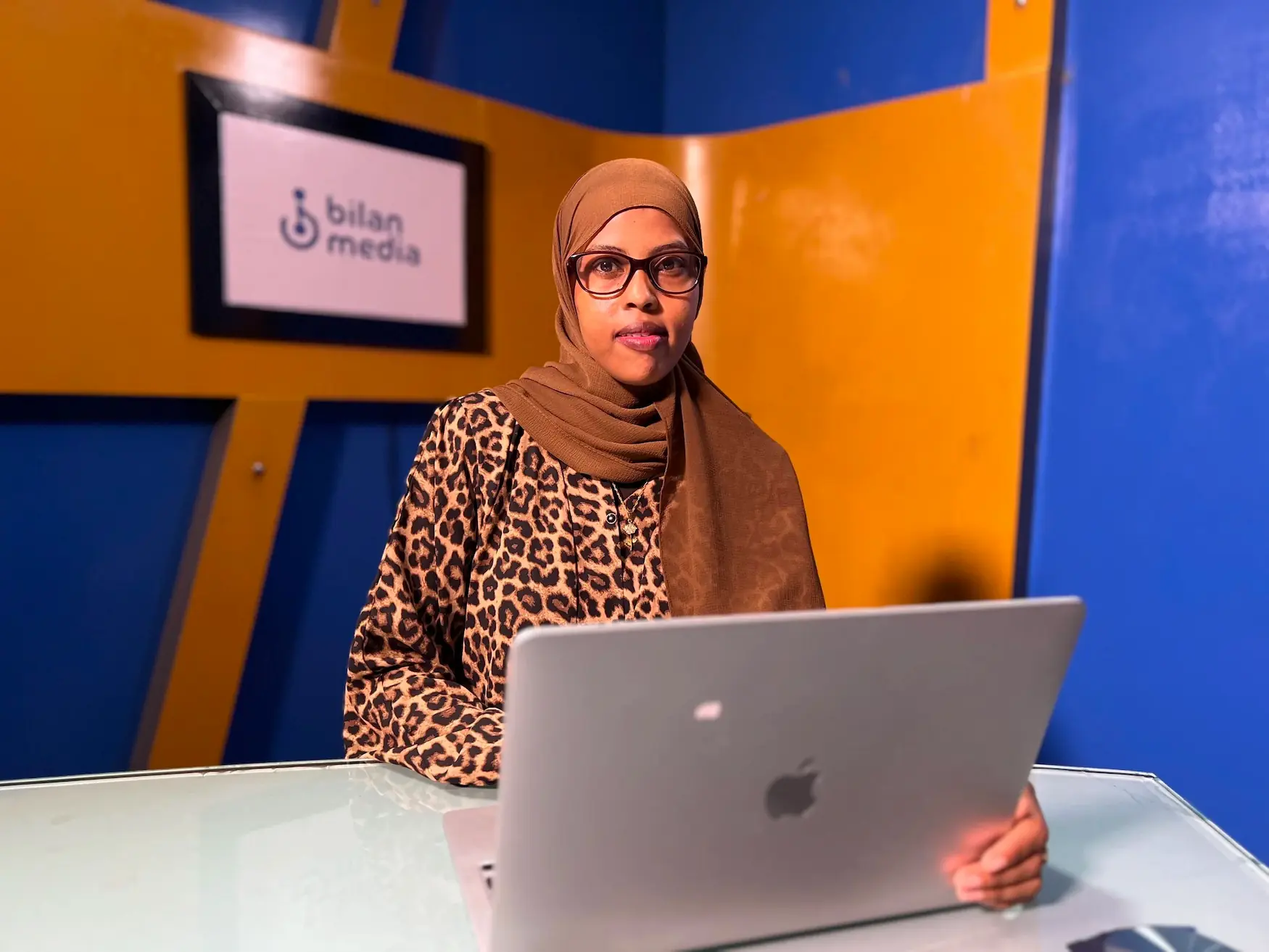
Hinda Abdi Mohamoud
People take you seriously if you are a journalist. If you are not a journalist and you try to tell people things, they don’t listen.
Hinda has wanted to be a writer since she was a young child, when she was given a notebook and started to write a diary.
She studied international relations at New Generation University in the city. At the age of 20 she started to write a book. It took her three years to complete. It is called "Raad Somali" — "Somali Footprints" — and explores the vexed question of the origins of the Somali people.
Hinda self-published the book, paying with her own money for 300 copies to be printed. "I took the books to events and sold them," she says. "People said I was far too young to have written a book, but when they read it they praised me for doing such a good job."
She is now writing her second book, based on the life stories of children who grow up without parents after being orphaned or abandoned. Hinda's curiosity and love of writing make her a natural journalist and blogger.
Her journey, so far
-
Childhood
Given a notebook, Hinda begins keeping a diary — the first spark of a lifelong love of writing.
-
University
Studies international relations at New Generation University in Mogadishu.
-
Age 20
Begins writing "Raad Somali" ("Somali Footprints"), a book exploring the origins of the Somali people. It takes three years to complete.
-
Self-published
Pays out of her own pocket to print 300 copies, selling them herself at events across the city.
-
At Bilan
Served as Chief Editor of Bilan Media, and is writing a second book on the life stories of orphaned and abandoned children.
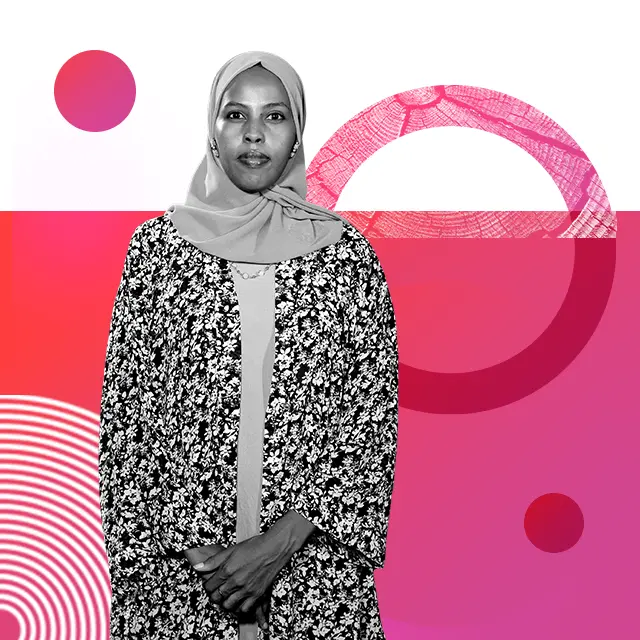
"A keen writer from a young age, Hinda Abdi Mohamoud kept a diary with stories about people fleeing violence in Jigjiga town, to Hargeisa." Hinda Abdi Mohamoud — Somalia, Journalist
Named among the BBC's 100 most inspiring and influential women
As chief editor of Bilan, the country's first and only all-women media team, Hinda was part of a unit created to combat the high rates of sexism and harassment which Somali women face in the workplace — challenges recognised in a recent UN report. Bilan shines a light on stories long ignored in one of the most dangerous countries in the world for journalists, from Somalis living in hiding with HIV to abused orphans and people with albinism shunned by their communities.
Read the full BBC feature